
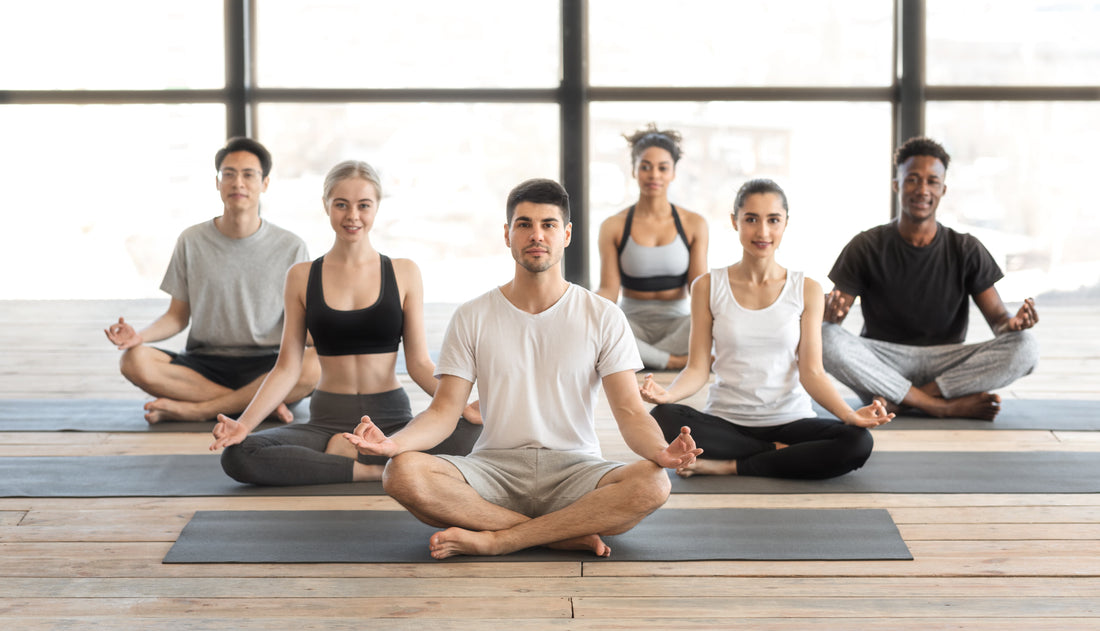
The perfect ritual for relaxation, balance and well-being
A yoga ritual is far more than just the physical practice on the mat. It's about connecting body, mind, and soul, and about letting go of the hectic pace of everyday life. In Ayurvedic medicine Rituals play a significant role in Traditional Chinese Medicine (TCM) in balancing the flow of energy in the body and promoting overall well-being. noosha draws on these age-old healing traditions and combines them with modern nutritional medicine to develop teas that holistically support body and mind.

A good ritual creates space for peace, mindfulness, and relaxation. Elements such as music, breathing exercises, or a good cup of tea support this process and enrich the yoga experience. Tea, especially with adaptogenic herbs, can intensify the yoga ritual and help to bring body and mind into balance.
In this article, we take a closer look at why tea can be an essential part of a yoga ritual and why yoga studios benefit from luxury teas.
What makes a good yoga ritual?
A good yoga ritual encompasses far more than just asanas (the physical postures). It is a holistic practice that harmonizes the entire body, mind, and soul. A yoga ritual should be mindfully designed to facilitate the transition from the hectic pace of everyday life into a calm, meditative state.

Here are some essential components of a successful yoga ritual:
Setting mindfulness and intention
Before you begin your practice, consciously take some time to set an intention. What do you want to achieve in today's session? Perhaps more flexibility, inner peace, or an open heart? This intention helps to sharpen your focus and begin the practice with a clear direction.
 Breathing exercises (Pranayama)
Conscious breathing is a central element in every yoga session. It not only helps to perform the asanas better, but also to calm and focus the mind. Breathing exercises can help regulate the nervous system and deepen mindfulness – an important component in Ayurvedic medicine and Traditional Chinese Medicine (TCM), where breathing is considered essential for the balance of body and mind.
The nose-changing exercise (Nadi Shodhana) for instant clarity
This breathing technique from Pranayama helps to balance the nervous system and calm the mind. Even a few minutes can reduce stress and increase concentration – ideal before an intense exercise or meditation.
Mula Bandha – activate the secret source of power
The "root lock" bandha (a targeted muscle contraction in the pelvic floor area) helps to direct energy and improve stability in standing postures. This technique is recommended in both traditional yoga and Ayurveda to increase vitality.
Choosing the right music
Gentle, calming music can create the space for a deeper yoga experience. It shouldn't be too intrusive, but rather supportive. Music that accompanies the flow of breath and movement promotes relaxation and concentration. A singing bowl can also be used. Live music can work wonders, especially in yoga groups.

Tea drinking as a rite of passage
Tea can be the perfect rite of passage before or after a yoga class. Slowly sipping tea helps hydrate the body and prepares the mind for the upcoming practice, or allows it to gently wind down. It's a moment of mindfulness that fills the space between different practices. Furthermore, it strengthens the sense of community within the group and fosters meaningful, supportive conversations.
Why is tea with adaptogens a good part of a yoga ritual?

Tea is an excellent component of a yoga ritual, as it has many positive effects on the body that complement the yoga experience. In Ayurvedic medicine and Traditional Chinese Medicine (TCM) , tea has been used for centuries to promote energy flow and support inner balance. Here are some reasons why tea goes so well with yoga:
- Promotes relaxation and tranquility : Many teas have a calming effect on the body. This is especially important for yoga practitioners who are trying to reduce stress and calm their minds.
- Mindfulness in the moment : Drinking tea promotes mindfulness because it is a slow, meditative process. It requires focusing on the aromas, the taste, and the warmth.
- Hydration and nutrients : Tea is an excellent source of fluids and essential nutrients. Herbal teas, in particular, are rich in antioxidants and help the body recover after yoga practice.
Adaptogenic teas: Relaxation and anxiety-relieving effects in yoga rituals
Adaptogens are natural plant compounds that help the body cope better with stress. They promote inner peace and balance – exactly what many people seek during their yoga practice. Both Ayurvedic medicine and Traditional Chinese Medicine (TCM) rely on the power of adaptogenic plants to enhance well-being. The best adaptogens for yoga are:
- Ashwagandha : Calms the nervous system, reduces stress hormones and promotes relaxation.
- Rhodiola/Rhodiola rosea : Increases mental clarity, helps reduce stress and stabilizes energy levels.
- Ginseng : Increases energy, improves body awareness and promotes concentration.
- Brahmi : Promotes mental relaxation and leads to a balanced mood.

Our noosha founder, Christine Hesse , learned about the effects of adaptogenic plants like ashwagandha and ginseng during her travels through Asia and experienced their positive effects firsthand. Building on this knowledge, she collaborated with physicians and nutrition experts to develop functional tea blends that combine traditional medicinal plants with modern science – for noticeable relaxation, mental clarity, and improved stress management.
Why yoga studios can benefit from luxurious relaxation teas

For yoga studios, offering high-quality tea can be a valuable addition to their class offerings. Here are some reasons why it's beneficial for studios to offer their participants luxurious relaxation teas:
- Enhanced customer experience : The atmosphere in a yoga studio is crucial to the overall experience. High-quality teas provide an additional opportunity for relaxation and mindfulness.
- Strengthening brand identity : Yoga studios that offer adaptogenic herbal teas position themselves as places for holistic well-being.
- Fostering Community : Sharing tea after yoga class encourages interaction among participants and strengthens the sense of community. It creates an opportunity to relax, chat, and discuss the practice, enhancing the social experience in the studio. Noosha luxury tea as the start or end to your yoga session.
- Appreciation from the group : Studios that prioritize the well-being of their members and promote this with small giveaways and extras express appreciation and receive it from the group in return. This leads to better customer loyalty.
Experience it for yourself: Noosha relaxation tea

Would you also like to take your yoga experience to the next level?
Then try our exclusive, luxurious relaxation tea – perfect for your yoga ritual. Our teas, made with high-quality ingredients from Ayurvedic medicine and Traditional Chinese Medicine, help you reduce stress and find inner peace.
Visit our shop now and discover the variety of our teas.